Ikameshi

The fishing town of Mori on the eastern coast of the Oshima Peninsula is famous for three things; sweet farmed scallops, bountiful catches of Pacific herrings and an abundance of Japanese flying squid.  It was this easy-to-catch and incredibly popular squid that, with the ingenuity of a local shopkeeper, would help rice rations stretch twice as far during WWII and go on to become the regional dish of Hokkaido.  A bentō shop in Mori railway station came upon the idea of filling the cavity of the plentiful squid with the slowly dwindling rice supply before boiling it in a seasoned broth, the added bulk of the squid making the precious rice go that bit further.  As with so many other modern classic dishes, frugal cooks and wartime necessity had resulted in the creation of something delightful.

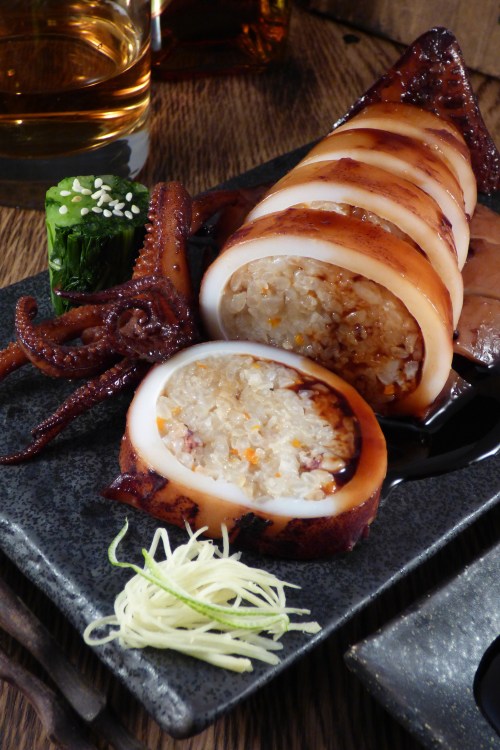
Plump, burnished squid stuffed to almost bursting point with sweet, pearlescent rice and glazed with a thick, sticky soy sauce have remained a station bentō favourite since they won their creator first prize in the annual Keio department store ekiben competition, which sought to find the best regional delicacies from around Japan.  Ikameshi makes an impressive but deceptively simple centrepiece for a meal, and is perhaps at its most hauntingly beautiful when served in a dimly lit, traditional izakaya accompanied by a handful of good friends and a glass or two of the local spirit.  We’ve shortened the preparation time of our ikameshi by steaming the rice before filling, which means that the squid cooks in about five minutes, preventing it from becoming tough.
 

ikameshi
Ikameshi- A parcel of rice wrapped in burnished squid.

Continue reading “Ikameshi”

Tofu and Mushroom Gyoza

Thanks mainly to a nationwide on-again-off-again relationship with Buddhism and vegetarianism, Japanese chefs have become adept at transforming soy beans into incredibly realistic mock-meat products.  These are not just commercially made, industrial scaled foodstuffs though- even the smallest of farmsteads with minimal equipment and space can create tofu with the most delicate flavour and the silkiest of textures to rival the technologically advanced, multinational corporations, resulting in a wealth of artisanal and regional tofus across the country.  Mount Kōya, in the Wakayama prefecture, has been the home of Shingon Buddhism in Japan for over a thousand years and according to legend, the birthplace of freeze-dried Kōyadofu.  During the Edo period, a monk is said to have unintentionally left an offering of tofu outside overnight; being eight hundred metres up a mountain, the beancurd quickly froze in the night air and was forgotten about until the next morning.  Upon discovering his mistake the monk allowed the frozen block of tofu to defrost before eating it as normal, which is when he noticed the structural changes and intensified flavour resulting from the overnight chilling.

By freezing and defrosting, you reduce the amount of water that it can hold within its gel-like structure, turning the tofu into a spongy, crumbly mass similar in texture to cooked minced pork.  Fried lightly in a little oil to increase the fat content and with the addition of some finely chopped mushrooms to boost the savoury umami flavour, you end up with the perfect base for a vegan-friendly version of the classic gyoza that even the most tofu-phobic of people will enjoy.


tofu gyoza
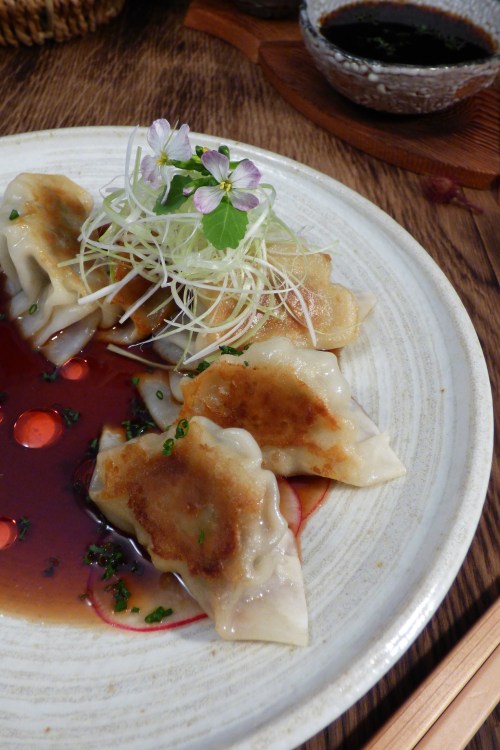
Tofu and mushroom gyoza, a vegan version of the porky classic.

Continue reading “Tofu and Mushroom Gyoza”

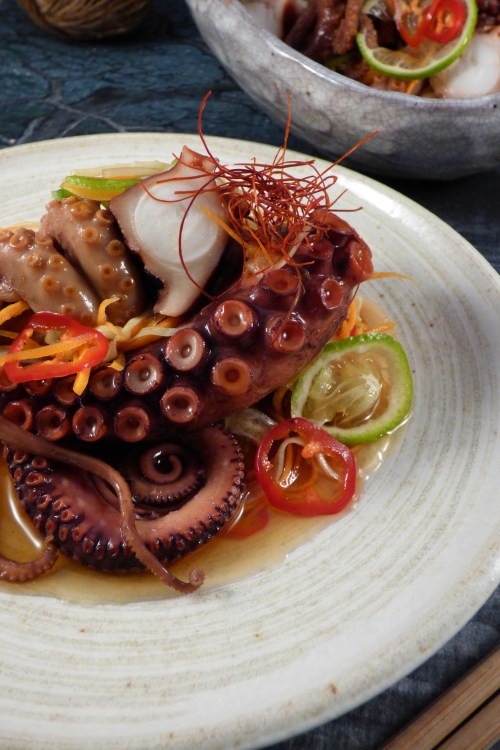
Tako no Nanbanzuke

Whilst under Shogunate rule during the sixteenth and seventeenth centuries, trade and interaction with the outside world was tightly restricted, borders were sealed and Japan effectively became a closed country.  A closed country that is, except for the port of Nagasaki on the western coast of Kyūshū, a bustling hub for the importing and exporting of produce, people and ideas.  Much of the trade through Nagasaki was conducted with the Portuguese who were expanding their empire from Lisbon via the coasts of Africa, the Middle East and Goa.  These Nanban- Southern Barbarians- brought with them the Christian church, the technology to make firearms, foods like peppers, chillies and vinegar, and new cooking techniques such as deep frying in breadcrumbs and batter, all of which were assimilated quickly by the locals.  One of Portugal’s most popular methods of preserving fish for long journeys- escabeche, proved to be a huge success when tasted by the Japanese and has remained a favourite ever since.  Literally meaning ‘pickled in the southern barbarian style’, nanbanzuke normally refers to whole fried fish or fillets soused in a vinegary sauce with vegetables, but we’ve enjoyed it many times with octopus- another staple of the travelling Europeans.

In our version of nanbanzuke we poach a whole octopus until tender, then marinade it with a selection of crunchy vegetables in a mixture of fish stock and rice vinegar with plenty of spicy red chilli and ginger to add some fieriness.  Served at room temperature, nanbanzuke makes a wonderful addition to a picnic lunch, or when chilled it’s the perfect dish to serve in the summer when all you want to eat is something cooling, light and refreshing.


tako no nanbanzuke
Tako no Nanbanzuke- pickled octopus, the barbarian way.


Continue reading “Tako no Nanbanzuke”

Tōgan Soboro Ankake

Summer fatigue or natsubate can be a big problem during the humid middle months of the year; people become lethargic, have trouble sleeping, lose their appetites and in the workplace, productivity hits an annual low.  The Japanese way to combat this starts with the copious amounts of air conditioning installed within practically every home and building, but the most effective treatment against overheating comes through the application of food.  You could follow in the habits of the kappa- a fart-loving mythical water dwelling creature, and enjoy a salty, marinated cucumber on a stick, perhaps sit down to a mound of shaved ice topped with mashed beans and fruity syrups or greedily devour a wedge of melon, but snacking can only get you so far through the day and eventually you’ll want to eat a real meal.  A dish of simmered and chilled tōgan- a close relative of both the cucumber and watermelon, can provide the relief needed to get you through the most oppressive of summer days.  Known across much of Asia as Winter Melon because it is one of the only fresh vegetables still available by that season, tōgan is recognised in both Ayurvedic and Yakuzen schools of medicine as being able to remove excess heat from the body and revive flagging energy.  After being cooked briefly in dashi and dressed with minced prawns and chicken, also known in folk remedies for its restorative qualities, this chilled tōgan makes a light but sustaining meal with a crisp bite and a soothingly cool sauce that makes even the hottest, stuffiest weather that little bit more manageable.


soboro ankake
Winter melon with shrimp and chicken ankake sauce- simple cooling food for hot summer days


Continue reading “Tōgan Soboro Ankake”

Ebi Furai to Poteto Sarada

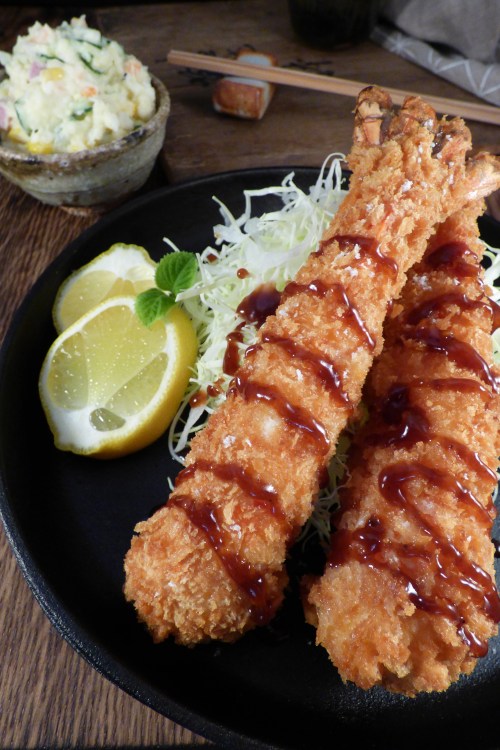
Ebi Furai- colossal, breaded, deep fried prawns- became the signature dish of Nagoya thanks to a quip made by the television comedian Tamori at the expense of the city’s dialect and accent.  Misunderstanding of this joke led to the nation believing that Nagoya excelled in making the succulent, sweet prawns coated in shatteringly crisp shards of panko, and the city was happy to adopt this modern meibutsu as their speciality.  In reality ebi furai was created during the Meiji Restoration period of the late nineteenth century in response to the increasingly popular deep fried yōshoku dishes such as tonkatsu and menchi-katsu that were being served in the larger, metropolitan cities.  Traditionally made using Kuruma ebi (Japanese imperial prawns) which can grow to a monstrous thirty centimetres in length, nowadays the more ecologically sustainable black tiger shrimp is used in making this celebration of oversized shellfish.

Breaded, fried prawns have since become one of the most common ingredients for bentō packed lunches, crammed into ebi-sando sandwiches smeared with coleslaw or even served hotdog style in long soft bread rolls topped with creamy tartar sauce. Perhaps our favourite way to eat ebi furai though is paired with another yōshoku bentō staple, the Japanese take on potato salad.  Creamier and more tangy than your typical potato salad, this version uses mashed potatoes studded with nuggets of smoked ham, crushed hard boiled eggs, salted cucumbers, and ultra sweet, exploding kernels of corn bound together with the ubiquitous Kewpie mayonnaise and a dash of vinegar.  These two dishes make a delicious light meal when combined with some thinly shredded cabbage and a drizzle of the thick Worcestershire-style sauce that goes so well with fried breaded foods, or they work wonderfully well individually as starting points for making a packed lunch.

ebi furai
Ebi Furai- colossal breaded fried prawns, served with Japanese potato salad.

Continue reading “Ebi Furai to Poteto Sarada”

Hiyashi Chūka

The last thing many people can imagine wanting to do on a hot, humid day in late Summer is to huddle over a deep bowl of ramen, with clouds of meaty steam billowing up and enveloping your face while you slurp on mouthful after mouthful of scalding hot noodles slick with unctuous pork fat.  This of course would be a huge problem for the tens of thousands of ramen-ya owners all across the country, if not for the wonderfully refreshing and reviving noodle dish Hiyashi Chūka which dominates their menus in the more oppressive months.  Sitting comfortably on the halfway-line between a crisp salad and the familiar bowl of soup noodles, hiyashi chūka keeps many of the most popular ramen toppings but adds plenty of crunchy fresh vegetables and replaces the savoury broth with a chilled vinegary dressing, making this the perfect dish for a lunchtime spent hiding from the midday heat.  Like most dishes in Japanese cuisine, the colour and temperature of the food is just as important as the flavour and texture, and in this most summery of noodle dishes they all come together harmoniously to cleanse, stimulate and revitalise the senses.

In our version of hiyashi chūka, we’ve incorporated two of the most popular toppings- crab sticks and cucumber- directly into the chūkamen themselves to create an even lighter noodle base.  We’ve crowned this tangle of enhanced noodles with a crunchy slaw made from spicy radishes and turnips, earthy carrots and crisp nashi pear to add even more freshness, and a springy, knobbly chikuwa fishcake for an extra hit of sweet ocean flavour.  All of that is doused liberally with the bracing vinegar, soy sauce and sesame dressing at the table with extra on the side for those who want a more intense, soupy mouthful.


hiyashi chuka
Hiyashi Chuka- cold noodles for a hot day

Continue reading “Hiyashi Chūka”

Tai-Meshi

Sea bream or Tai is without a doubt Japan’s most beloved fish.  Being a symbol of good fortune it is traditionally served during celebrations, which is alluded to in the term ‘medetai’, a phrase used to congratulate people on auspicious events.  During the Edo period tai was so prized that it was reserved almost exclusively for the tables of the wealthy and a market solely trading in this king of fish was even set up in Osaka.  Lucky bream shaped sweets are a popular favour handed out at Japanese weddings, and the hot, sweet, bean-filled pancakes called taiyaki can be bought at stalls and cafés all over the country.  Ebisu- one of the traditional seven gods of fortune, is portrayed holding a fishing rod in one hand and carrying a huge red tai in the other.  It is the symbol of wealth, prosperity and high quality; it even spoils at a slower rate to other fish thanks to the high levels of inosinic acid present in its flesh, making it an excellent choice for sashimi.

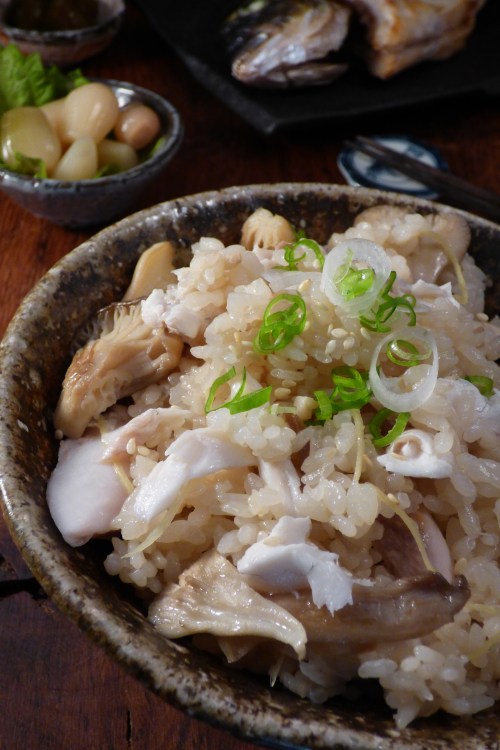
One of the best ways to enjoy this luckiest of fish is in this ‘surf & turf’ inspired takikomi gohan; the sweet, succulent pearly flesh of the tai is paired with meaty, earthy mushrooms and the spicy freshness only ginger can provide, to create a deliciously savoury rice dish that borders on the decadent.  We’ve used a selection of our favourite mushrooms in this recipe, some frilly, some dense and some tender, but feel free to use whatever is available locally to you.  If you’re fortunate enough to have some of the highly sought after, distinctly flavoured, matsutake mushrooms, they would make a phenomenal addition to your tai-meshi, combining both the country’s favourite fish and fungus into one memorable dish that spells out what the Japanese value most in food.


taimeshi
Tai Meshi- mushroom and ginger rice, cooked with the king of fish.

Continue reading “Tai-Meshi”

Hōjicha Purin

Like a large number of foods popular in Japan today, Purin owes its name and heritage to visiting Portuguese traders who, in the sixteenth century, brought over their jiggly, set custard dessert, pudim.  Much like the French crème caramel or the Latin American flan, caramelised sugar is topped with a sweetened egg and milk mixture then steamed in a bain-marie before being inverted onto a plate and served with the caramel on top- the slightly bitter caramel sauce creating an elegant contrast of colours and offsetting the sweetness of the custard.

Although it is a staple snack or dessert all year round, purin to me marks the start of Summer; a chilled, lightly set, creamy custard has a wonderful soothing effect and refreshes your spirits after a hard day at work in sweltering temperatures.  We like to infuse the milk and cream with the toasty, almost caramel-like flavour of hōjicha, roasted green tea.  Eating just a spoonful of this dessert brings back comforting childhood memories of lifting the rim of a cereal bowl to your lips and drinking the milk after you’d finished the bowl of crunchy flakes.  You could easily swap out the hōjicha in this recipe for vanilla to create a classic European version or matcha powder to make an intensely coloured, green tea flavoured variation.  However you choose to flavour it, serve your purin with a handful of fresh seasonal berries to really highlight the time of year.


purin
Hojicha-infused Purin, the perfect refreshing summer snack.


Continue reading “Hōjicha Purin”

Sabazushi

Transporting fresh fish from the coast of Japan to its major inland cities was almost impossible before the advent of refrigerated trains; the days required to travel by horse resulted in inedible, spoiled goods unfit for the population of the Kansai region.  The only reliable means of getting fish to the then-capital city of Kyoto was to preserve it in some way- fermenting the fish in rice was popular, which extended its shelf-life to six months or more but altered the flavour dramatically.  In this early form of sushi, the rice was discarded and only the soured, preserved fish was eaten; it would take another three or four hundred years until the mid 1600s for a version with edible rice to evolve.  As the techniques for making sushi developed, the preservation of the fish improved but palates accustomed to the old style dishes yearned for the sour tang and started adding vinegar to the rice, creating the seasoned sushi rice we know and love today.

Sabazushi, still one of Japan’s most popular forms of sushi, lies comfortably between the fish preserving necessities of old that led to the development of sushi and the modern, perfectly crafted slices of fish atop vinegared rice that spring to mind as this most ubiquitous Japanese delicacy.  Glistening, iridescent, tiger-striped fillets of mackerel are salted and lightly cured before being wrapped over a pillow of seasoned sticky rice and sliced into perfect, jewel topped pieces.  Traditionally in Osaka, you would press this in an oshizushihako box mould to create a rectangular block, but we prefer to make it Kyoto-style and shape it by hand so you can appreciate the naturally domed top that the fish forms.  Whether you press it or not this makes a plate of beautiful, two-bite sized morsels; delicate, refreshingly tangy and with just enough of the rich, creamy fattiness that we love mackerel for.


battera
Sabazushi- rich, smooth, tangy and tiger-striped.

Continue reading “Sabazushi”

Agedashi Tofu

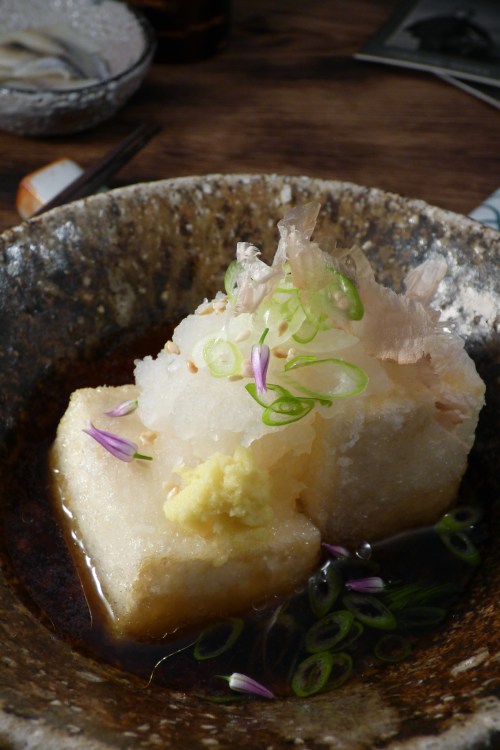
An izakaya staple and to my mind one of the most elegant ways to serve beancurd, agedashi tofu is in essence a very simple recipe- smooth, delicate kinugoshi silken tofu is dusted in potato starch, deep fried and served in a bowl of seasoned dashi broth.  A light, crisp shell gives way to a gently yielding, creamy, custard-like texture that melts in your mouth while the katakuriko gives the agedashi its distinctive soft, stretchy, jelly-like coating when immersed in the sweet, smoky soup.  The two main elements of the dish are further enhanced by a selection of toppings- normally fresh spring onions, spicy daikon oroshi, savoury katsuobushi flakes and intensely powerful grated ginger- but you can also add chopped shiso leaves, shredded sheets of nori seaweed or a citrussy chilli kick from some shichimi togarashi.

Documented as early as the 1780s in Ka Hitsujun’s Tofu Hyakuchin- an immensely popular Edo period book on tofu- the clean, harmonious flavours and ease of preparation have helped keep this unassuming, humble looking dish a favourite across all of Japan, and one that we make a beeline for whenever we see it on a restaurant menu.  The simplicity of the recipe allows each component to really shine and since they have nothing to hide behind you want to use the best quality ingredients you can find, make them all memorable and you’ll have a beautifully balanced bowl of food.


agedashi tofu
Agedashi Tofu- creamy deep fried tofu in a sweet, smoky dashi broth.


Continue reading “Agedashi Tofu”