Kani Meshi

Crustaceans have always played a large part in the cuisine of Japan and one of our favourite uses of them is in kani meshi.  It belongs to a family of dishes known as takikomi gohan which translates roughly as ‘cooked with rice’.  In a similar way to a pilaf or kedgeree, takikomi dishes usually involve cooking rice in a seasoned broth to introduce extra layers of flavour along with the addition of vegetables or meat; in the case of kani meshi, this is the sweet juicy white flesh of a crab.

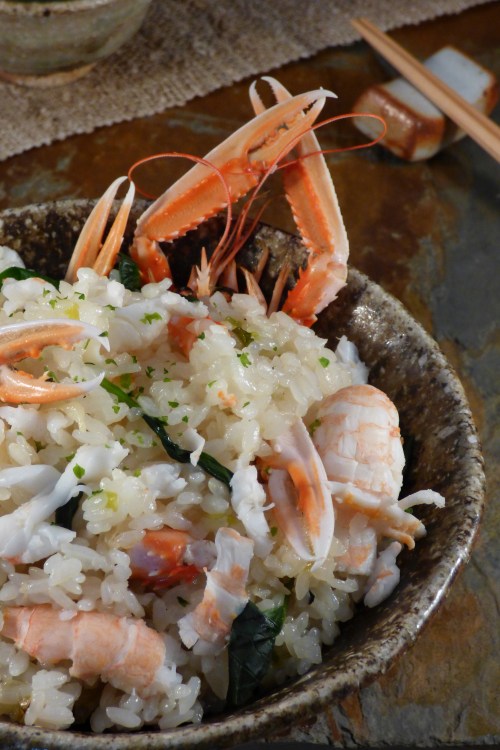
Whilst shopping for our kani meshi, we were distracted by some incredible looking Scottish langoustines, they were too perfect to resist- miniature, eight inch lobsters, fiercely armed and packed with a delicately perfumed flesh not dissimilar to prawns.  We decided on the spot that they would make a fantastic variation on the standard crab kani meshi, and to compliment their sweet briny flavour we’ve added some seaweed and dried bonito to create a subtly flavoured rice that reminds us of holidays by the coast, both here in the UK and in Japan.  Our kani meshi makes a great side dish in place of regular rice, and there’s a deliciously tactile pleasure in cracking the claws open and picking out the morsels of flesh from inside.
kanimeshi
Langoustine Kani Meshi.

Continue reading “Kani Meshi”

Karaage / Tatsuta-age

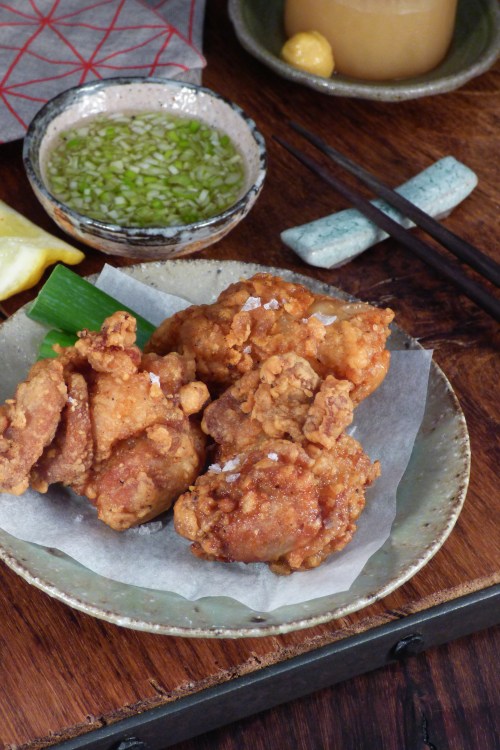
Fried chicken.  Two simple words that have the power to whet appetites across the globe and set imaginations spinning, whether you’re in Louisiana, Mali or Scotland, you know that when you order your local rendition of the dish you’ll be getting moist, juicy meat in a crisp coating packed full of flavour.  Karaage is the fried chicken of Japan- nearly always meat from the thigh of the bird, seasoned with soy sauce and ginger before being dusted in a light coating of potato starch and fried to crunchy perfection.  Unusually for Japanese cuisine, large amounts of garlic are included in the marinade for karaage, along with the addition of some sake this helps to offset the slightly gamey flavour that chickens had before post-war American birds were imported to become the mainstay of local farms.  The soy sauce used in marinating the chicken imparts a slightly reddish brown colour to the coating, which is said to resemble the reflection of maple leaves in the water of the river Tatsuta in Nara, and is how the dish received its second, more romantic name, Tatsuta-age.

We like to accompany our karaage with a fresh dipping sauce made from spring onions and shiro shoyu, or white soy sauce; brewed with more wheat than other soy sauces, it has a much milder flavour which makes it perfect for seasoning lighter meats such as chicken or seafood.

Whether you know them as karaage, Tatsuta-age or even as JFC, these two-bite-sized pieces of juicy chicken are a perfect way to start a meal or make a fantastic addition to a bento or lunch box.


karaage
Karaage- Japanese Fried Chicken

Continue reading “Karaage / Tatsuta-age”

Kakuni Manjū

Simultaneously being both the lightest, most delicate, cloud-like bun imaginable and the richest, sweetest, most succulent pork belly possible, kakuni manjū are perhaps the ultimate variation on a bacon sandwich and frankly, I can’t think of a better combination of meat and bread that I’ve ever eaten.

Like the sweet, soy braised pork that fills them, manjū– or hirata buns to give them their recently adopted American name- owe their heritage to Chinese steamed buns such as the snowy white stars of many a dim sum menu, char siu bao.  During the two hundred and twenty year period of isolation, Japan closed off its borders to the outside world, and the only way in or out was through Nagasaki, which quickly became what is now the country’s oldest Chinatown.  Workers and traders travelling through the port took with them their favourite home comforts which were quickly adopted by local restaurants and yatai (food carts) before spreading across the country.  Slow braised dongpo pork from Eastern China and pillowy mantou steamed bread from the North were two such dishes that arrived in this influx of unfamiliar cuisine, and were the culinary parents of this most delicious of sandwiches (perhaps with a little matchmaking courtesy of both Japan and China’s occupation of Taiwan and its now famous gua bao split steamed buns).

Breaking from tradition, we’ve added a few extras to our kakuni manjū- the creaminess of the mayonnaise and the crisp, refreshing bite of cucumber and shredded spring onions help to lift and round out the flavour of the bun.  Eat them on their own with a few drinks, or as is now common practice, as an accompaniment to a deep, meaty bowl of ramen for the ultimate pork filled meal.


kakuni manju
Kakuni Manju- a Nagasaki street food classic.

Continue reading “Kakuni Manjū”

Asari no Sakamushi to Nasu Dengaku

After receiving a present of some sake from a friend, we wanted to have a dinner themed around the gift to make the most of it, and what better food to serve than two izakaya favourites, both steeped in the delicate flavours of rice wine.  The star of the meal was Asari no Sakamushi, a mountain of fresh white clams, steamed in sake flavoured with plenty of ginger and a pungent sprinkling of garlic chives.  As is the case with many other seafood-loving nations around the world, the Japanese know that the best way to treat shellfish is to not mess around and cook them quickly with a few aromatics and a splash of regional wine.  To go with the clams we chose a side dish of Nasu Dengaku- soft, creamy baked aubergines topped with a slick of sake-enhanced miso and a nutty crunch of toasted sesame seeds.  The grilled, slightly charred vegetable providing a pleasing contrast to the delicate, steamed clams and by cooking both of the dishes with the same sake that we were going to be drinking, we were able to keep a continuity of flavours running through the meal.

sakemushi clams
Asari no Sakamushi- sake steamed clams


Continue reading “Asari no Sakamushi to Nasu Dengaku”

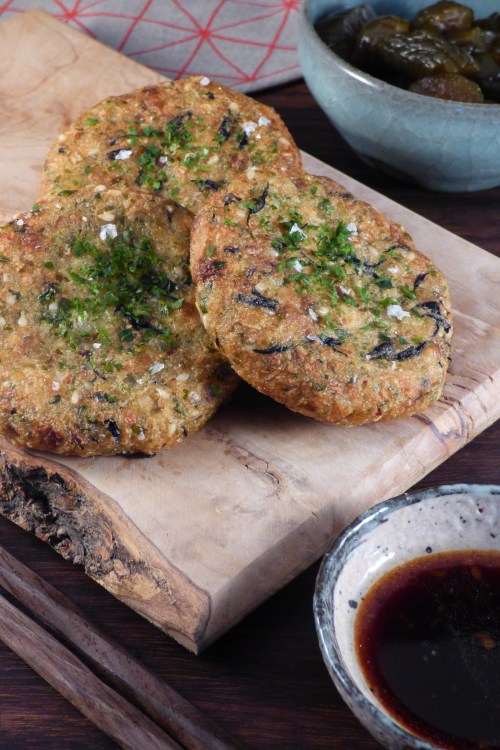
Tofu Hijiki Fritters

During our last visit to Arashiyama, we visited a little restaurant specialising in Kyo-ryori, or Kyoto style cuisine, where among other regional fare we ate some little fried tofu fritters.  Similar to ganmodoki, these springy morsels were made of crushed tofu mixed with assorted vegetables and hijiki seaweed before being deep fried.  We were immediately taken by the combination of flavours which managed to evoke being by the seashore despite being surrounded by mountains and forest.  To enhance this coastal feel we’ve added a second seaweed to our version, both in the fritters and as a flavour boosting topping.

ganmodoki
Tofu fritters with burdock, bamboo shoots and seaweed.

Continue reading “Tofu Hijiki Fritters”

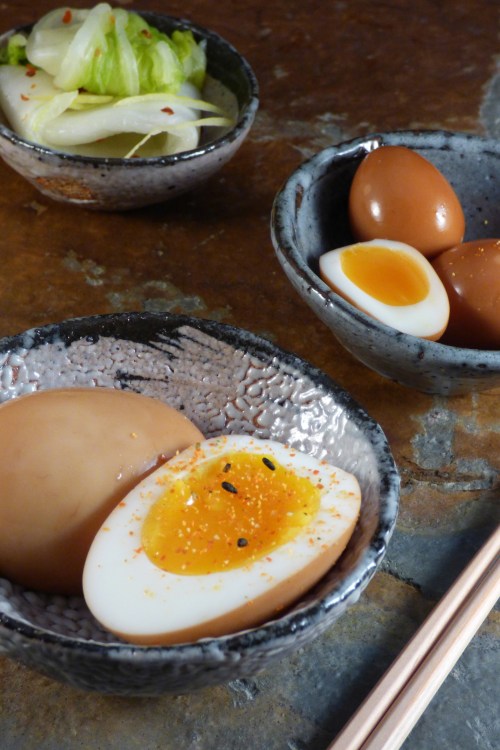
Shoyu tamago & Hakusai no shiozuke

Boiled eggs feature in many dishes like oden and ramen, and they make a great snack or addition to a bento.  Most often they are cooked until the yolks are solid, however we like ours to be barely set, especially with tiny quail eggs which you pop in your mouth whole and burst to release the rich gooey centre.  By lightly pickling them in a sweet and sour soy liquor you can add a level of complexity to their whites and stain them an attractive glossy brown colour too.  Shoyu tamago are a great replacement for use in any recipe which calls for boiled eggs, and their natural saltiness makes them a perfect accompaniment to drinks.

Hakusai no shiozuke is on the other end of the flavour spectrum, rather than being rich and gooey like the shoyu tamago it is crisp, spicy and fresh with lemon zest.  Chinese cabbage is pressed and pickled for a short amount of time to provide a punchy accompaniment to meals and a perfect counterpoint to rich or fatty meats.  This traditional recipe is a delicious introduction to salted pickles for those who’re a little wary of the tsukemono plate that comes with most Japanese meals.

soy eggs
Pickles are great for adding interest to a meal

Continue reading “Shoyu tamago & Hakusai no shiozuke”

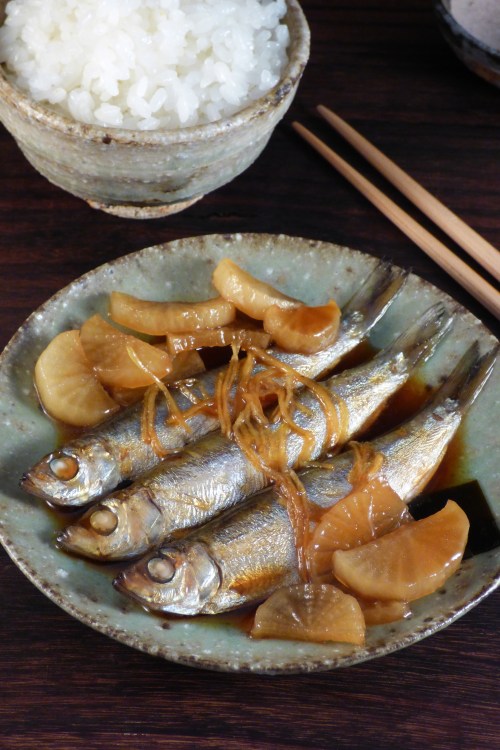
Supuratto no kanroni / Iwashi no kanroni

Being an island nation, Japan has always consumed a huge quantity of seafood, and up until recently this has also been true of the British Isles, a tradition that we’re sadly losing.  Whilst shopping in our local fish market we came across some beautifully fresh sprats, a very typical fish in classic British cuisine and knew we could use them to make something very Japanese.  Sprats, as with most small fish, have fallen out of favour in recent years as people tend to prefer larger fish with fewer bones, however they’re packed full of omega oils and B-vitamins and their flavour is well worth the little extra effort.  As sprats are from the same family, these little oily fish are a perfect substitute for the sardines that would normally be used in this old fashioned dish of daikon, ginger, fish and a sweet sticky sauce.

An old Japanese trick to cook oily fish with sake to lessen the strong odours is used in this recipe, and the spicy shards of ginger cut through the richness.  If you can’t get hold of sprats then use sardines and allow 2-3 fish per person for a main course.

Kanroni
Supuratto no kanroni: Little fish, big flavours.

Continue reading “Supuratto no kanroni / Iwashi no kanroni”

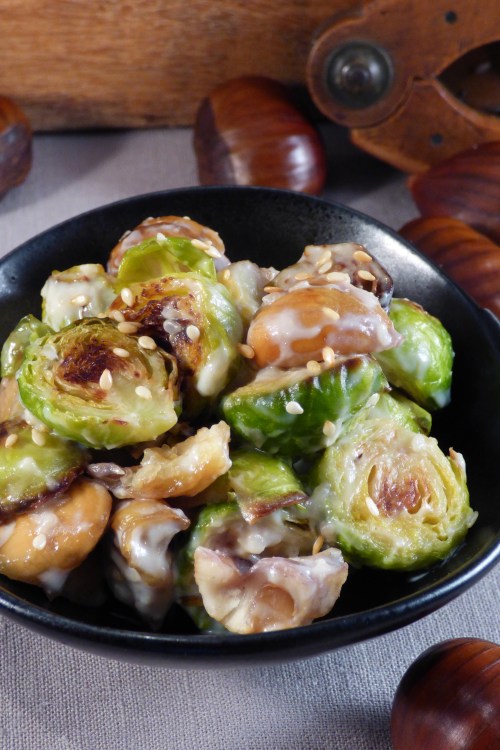
Mekabetsu shiraae

With Christmas being a week away today, the time is just right for cooking up something using some festive ingredients, namely the much maligned Brussels sprout and that street vendor classic, roast chestnuts.  Sprouts aren’t that common in Japanese cuisine, but being from the cabbage family they fit into the flavour palate beautifully, and when paired with a classic shiraae dressing and the rich flavour of chestnuts they make a fantastic aemono dish.

Aemono translates roughly as ‘harmonised food’, and refers to dressed vegetable dishes, rather like cooked salads, eaten as accompaniments to main meals.  The different dressings used in aemono range from mustard or vinegar to miso and sesame paste; we’re pairing our vegetables with a shiraae dressing based on tofu and white miso, to give a smooth, cool, creamy side.

shiraae
Shiraae sprouts with chestnuts, a perfect accompaniment to your Christmas bird.

Continue reading “Mekabetsu shiraae”

Daigaku imo

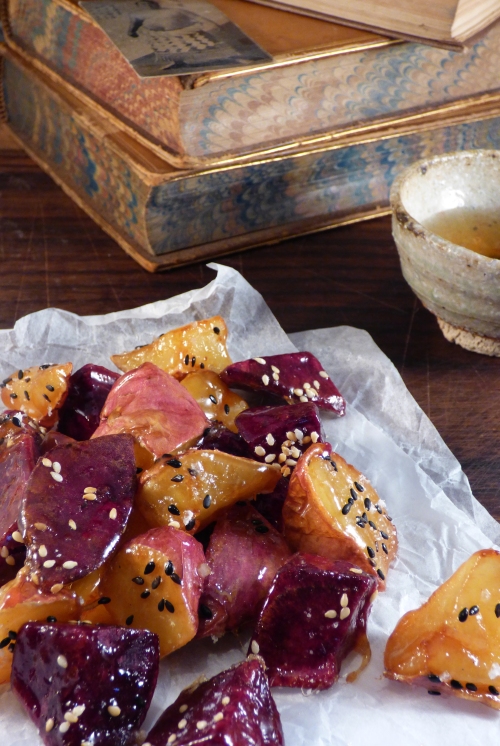
The rather cryptically named daigaku imo, or university potatoes, have been a staple snack food across the university towns of Japan since the 1920s.  Deep fried sweet potatoes, tossed in caramel flavoured with soy sauce which quickly becomes brittle in the air; what’s not to love about them?  The soy caramel coating brings to mind the salted caramel chocolates which have become popular in the UK over the last decade, and the glazed potatoes make me think of American Thanksgiving style candied yams.  Traditionally these are made with the red-pink skinned, white fleshed sweet potatoes most common in Japan, but we ate some made with the gloriously bright purple murasaki imo in Kamakura and couldn’t resist recreating those in part here.  Murasaki imo have an almost winey, lychee flavour to them which works wonderfully with the salty soy sauce.

daigaku imo
Daigaku imo; fried sweet potatoes, glazed in soy caramel and sprinkled with gomashio.

Continue reading “Daigaku imo”

Two side dishes- Tataki Kyuri & Chikuwa to negi no sarada

One of the most enjoyable things about a Japanese meal is the sheer number of plates and bowls you get, little plates of pickles, bowls of dipping sauce, salads and small vegetable sides.  In a restaurant you can think you’re ordering one basic dish and then end up with seven or eight little portions on your table per person.  In this post we’ve got recipes for two such dishes; a punchy, strong pickled cucumber, powerfully seasoned with raw garlic, and a fresh salad of chikuwa fishcake mixed with spring onions and red peppers, topped with dried bonito shavings.


chikuwa
Smashed cucumber pickled with garlic & Chikuwa salad with spring onion.

Continue reading “Two side dishes- Tataki Kyuri & Chikuwa to negi no sarada”