Kurobuta Miso

The most popular meat in modern Japan- with yearly sales surpassing both chicken and beef combined- is without a doubt, pork.  Ever since the wild boar was domesticated during the iron age, it has made up a large part of the country’s diet; even during the Warring States years of samurai rule and national adherence to Buddhism, when the eating of four-legged beasts was particularly frowned upon, the descriptive euphemisms “mountain whale” and “walking vegetable” were used to tiptoe around the rules denying the people their favourite meat.  Much like prohibition pharmacists in the US selling whisky to patients with enough money, unscrupulous Edo period doctors would prescribe pork as a health food for its stamina building properties and a black market trade developed up until the 1900s.  The twentieth century saw the government’s opinion of meat change dramatically- advisors decided that it was the vast amounts of meat consumed by Europeans that made them grow large and powerful; so for them to not be left behind in the changing world, it became of great national importance that the Japanese took up eating pork again.

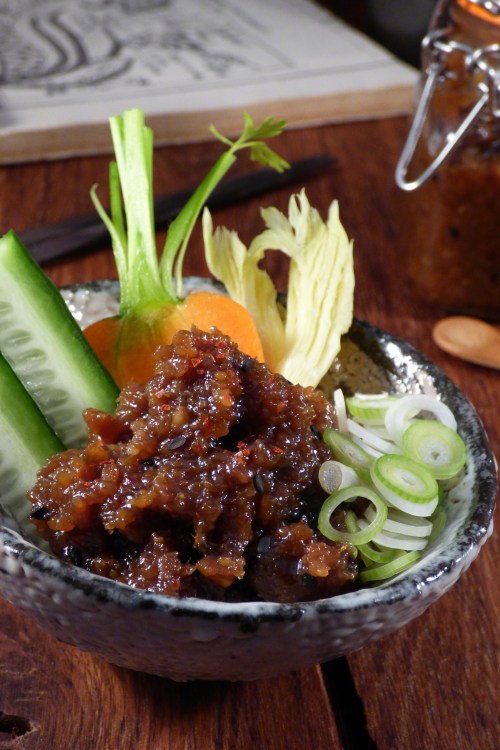
The Kagoshima region on the south-western tip of Kyūshū is home to the most acclaimed pork in all of Japan; bred from Okinawan Berkshire pigs, Kurobuta pork has particularly fine muscle fibres, a rich delicate flavour and above all, light, non-sticky and incredibly tasty fat.  Besides the regular pork dishes found across the country, Kagoshima has a number of delicacies that are almost impossible to find anywhere else, our favourite of these is a sticky variation on niku miso, packed with the savoury black pork that the region prides itself on.  Darkly sweet from unrefined brown sugar, salty and umami-rich from the mugimiso and deeply satisfying and savoury from slowly simmered pork, kurobuta miso is Japan’s answer to bacon jam.  It can be enjoyed smeared across an onigiri, packed into a sandwich, spooned over hot steamed rice, dropped into a bowl of ramen like a savoury depth charge or used as a simple sauce for a vegetable stir fry.  Perhaps the best way to eat it though is with crudités, scooped up greedily on a stick of raw cucumber or carrot, the cooling crunch of the vegetables offsetting the rich, intensity of the miso perfectly.


kurobutamiso
Kurobuta Miso- thick and sticky, salty pork jam.

Continue reading “Kurobuta Miso”

Ikameshi

The fishing town of Mori on the eastern coast of the Oshima Peninsula is famous for three things; sweet farmed scallops, bountiful catches of Pacific herrings and an abundance of Japanese flying squid.  It was this easy-to-catch and incredibly popular squid that, with the ingenuity of a local shopkeeper, would help rice rations stretch twice as far during WWII and go on to become the regional dish of Hokkaido.  A bentō shop in Mori railway station came upon the idea of filling the cavity of the plentiful squid with the slowly dwindling rice supply before boiling it in a seasoned broth, the added bulk of the squid making the precious rice go that bit further.  As with so many other modern classic dishes, frugal cooks and wartime necessity had resulted in the creation of something delightful.

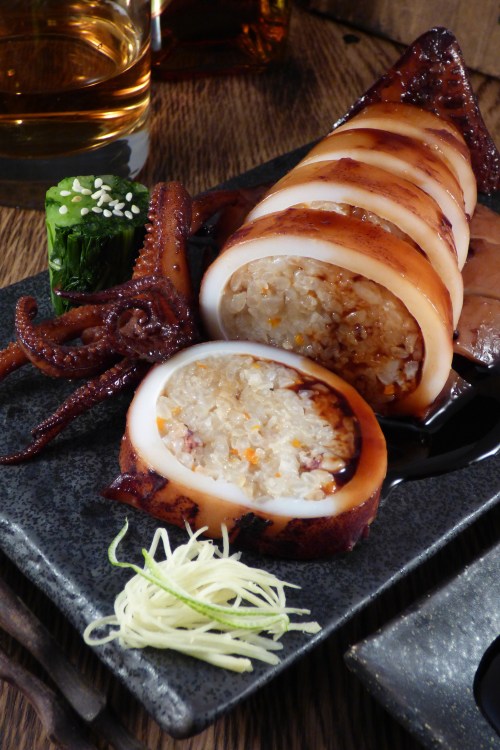
Plump, burnished squid stuffed to almost bursting point with sweet, pearlescent rice and glazed with a thick, sticky soy sauce have remained a station bentō favourite since they won their creator first prize in the annual Keio department store ekiben competition, which sought to find the best regional delicacies from around Japan.  Ikameshi makes an impressive but deceptively simple centrepiece for a meal, and is perhaps at its most hauntingly beautiful when served in a dimly lit, traditional izakaya accompanied by a handful of good friends and a glass or two of the local spirit.  We’ve shortened the preparation time of our ikameshi by steaming the rice before filling, which means that the squid cooks in about five minutes, preventing it from becoming tough.


ikameshi
Ikameshi- A parcel of rice wrapped in burnished squid.

Continue reading “Ikameshi”

Ebi Furai to Poteto Sarada

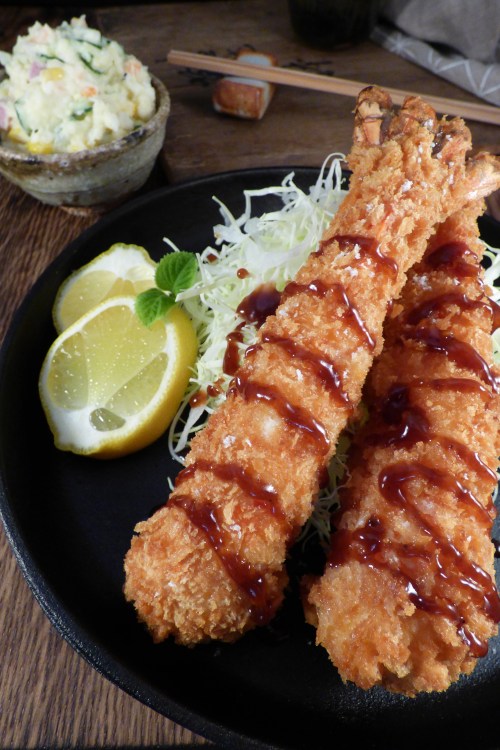
Ebi Furai- colossal, breaded, deep fried prawns- became the signature dish of Nagoya thanks to a quip made by the television comedian Tamori at the expense of the city’s dialect and accent.  Misunderstanding of this joke led to the nation believing that Nagoya excelled in making the succulent, sweet prawns coated in shatteringly crisp shards of panko, and the city was happy to adopt this modern meibutsu as their speciality.  In reality ebi furai was created during the Meiji Restoration period of the late nineteenth century in response to the increasingly popular deep fried yōshoku dishes such as tonkatsu and menchi-katsu that were being served in the larger, metropolitan cities.  Traditionally made using Kuruma ebi (Japanese imperial prawns) which can grow to a monstrous thirty centimetres in length, nowadays the more ecologically sustainable black tiger shrimp is used in making this celebration of oversized shellfish.

Breaded, fried prawns have since become one of the most common ingredients for bentō packed lunches, crammed into ebi-sando sandwiches smeared with coleslaw or even served hotdog style in long soft bread rolls topped with creamy tartar sauce. Perhaps our favourite way to eat ebi furai though is paired with another yōshoku bentō staple, the Japanese take on potato salad.  Creamier and more tangy than your typical potato salad, this version uses mashed potatoes studded with nuggets of smoked ham, crushed hard boiled eggs, salted cucumbers, and ultra sweet, exploding kernels of corn bound together with the ubiquitous Kewpie mayonnaise and a dash of vinegar.  These two dishes make a delicious light meal when combined with some thinly shredded cabbage and a drizzle of the thick Worcestershire-style sauce that goes so well with fried breaded foods, or they work wonderfully well individually as starting points for making a packed lunch.

ebi furai
Ebi Furai- colossal breaded fried prawns, served with Japanese potato salad.

Continue reading “Ebi Furai to Poteto Sarada”

Sabazushi

Transporting fresh fish from the coast of Japan to its major inland cities was almost impossible before the advent of refrigerated trains; the days required to travel by horse resulted in inedible, spoiled goods unfit for the population of the Kansai region.  The only reliable means of getting fish to the then-capital city of Kyoto was to preserve it in some way- fermenting the fish in rice was popular, which extended its shelf-life to six months or more but altered the flavour dramatically.  In this early form of sushi, the rice was discarded and only the soured, preserved fish was eaten; it would take another three or four hundred years until the mid 1600s for a version with edible rice to evolve.  As the techniques for making sushi developed, the preservation of the fish improved but palates accustomed to the old style dishes yearned for the sour tang and started adding vinegar to the rice, creating the seasoned sushi rice we know and love today.

Sabazushi, still one of Japan’s most popular forms of sushi, lies comfortably between the fish preserving necessities of old that led to the development of sushi and the modern, perfectly crafted slices of fish atop vinegared rice that spring to mind as this most ubiquitous Japanese delicacy.  Glistening, iridescent, tiger-striped fillets of mackerel are salted and lightly cured before being wrapped over a pillow of seasoned sticky rice and sliced into perfect, jewel topped pieces.  Traditionally in Osaka, you would press this in an oshizushihako box mould to create a rectangular block, but we prefer to make it Kyoto-style and shape it by hand so you can appreciate the naturally domed top that the fish forms.  Whether you press it or not this makes a plate of beautiful, two-bite sized morsels; delicate, refreshingly tangy and with just enough of the rich, creamy fattiness that we love mackerel for.


battera
Sabazushi- rich, smooth, tangy and tiger-striped.

Continue reading “Sabazushi”

Ninniku no Misozuke

Tsukemono- preserved vegetables- pop up nearly every time food is consumed in Japan but can easily go unnoticed; they’re served with sushi to cleanse the palate in between flavours, as a snack with beers after a long day at work, used to top a bowl of rice and garnish dishes or as a course all of their own in a traditional kaiseki meal.  These pickles help bring balance and harmony to a meal, they awaken the senses and excite the mouth preventing flavour fatigue and they add textures and colours that are otherwise missing from the foods that they accompany; samurai even used them for a quick energy boost during battle- and that alone is a good enough endorsement for me.

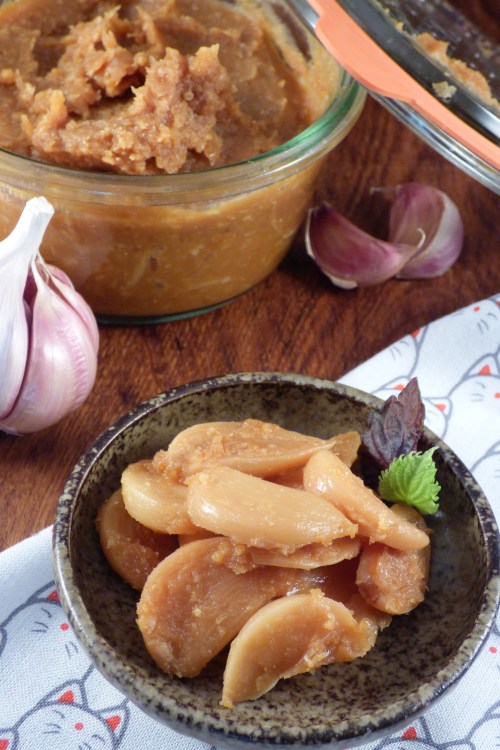
Unlike most Western pickles, those of Japan don’t rely purely on salt or vinegar to take care of the preservation of the main ingredient- tsukemono can be made with leftover lees from brewing sake, rice bran, mustard, soy sauce or as in this recipe, miso.  These misozuke pickles are perhaps the most intensely savoury of all the tsukemono, garlic cloves are buried in a finger-licking mixture of miso, sake and mirin before being left for months to slowly transform.  The miso helps temper the fiery flavour of the garlic which in turn mellows out the saltiness of the miso, resulting in two beautifully balanced condiments; a crunchy, umami-rich pickled garlic that’s a perfect accompaniment to meat or fish dishes, and a garlic enhanced nerimiso that’s just crying out to be stirred into a soup, spooned over hot steamed vegetables or smeared onto a crispy, lightly singed yaki onigiri.  Oishii!


ninniku
Ninniku Misozuke- deeply savoury, highly addictive miso-pickled garlic.

Continue reading “Ninniku no Misozuke”

Karaage / Tatsuta-age

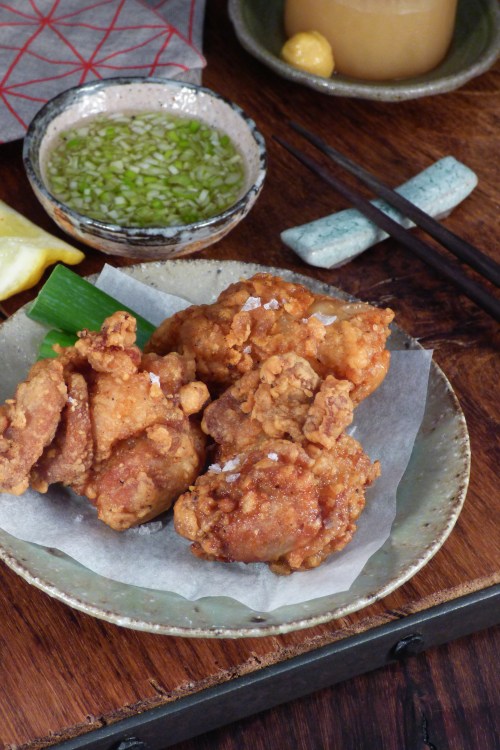
Fried chicken.  Two simple words that have the power to whet appetites across the globe and set imaginations spinning, whether you’re in Louisiana, Mali or Scotland, you know that when you order your local rendition of the dish you’ll be getting moist, juicy meat in a crisp coating packed full of flavour.  Karaage is the fried chicken of Japan- nearly always meat from the thigh of the bird, seasoned with soy sauce and ginger before being dusted in a light coating of potato starch and fried to crunchy perfection.  Unusually for Japanese cuisine, large amounts of garlic are included in the marinade for karaage, along with the addition of some sake this helps to offset the slightly gamey flavour that chickens had before post-war American birds were imported to become the mainstay of local farms.  The soy sauce used in marinating the chicken imparts a slightly reddish brown colour to the coating, which is said to resemble the reflection of maple leaves in the water of the river Tatsuta in Nara, and is how the dish received its second, more romantic name, Tatsuta-age.

We like to accompany our karaage with a fresh dipping sauce made from spring onions and shiro shoyu, or white soy sauce; brewed with more wheat than other soy sauces, it has a much milder flavour which makes it perfect for seasoning lighter meats such as chicken or seafood.

Whether you know them as karaage, Tatsuta-age or even as JFC, these two-bite-sized pieces of juicy chicken are a perfect way to start a meal or make a fantastic addition to a bento or lunch box.


karaage
Karaage- Japanese Fried Chicken

Continue reading “Karaage / Tatsuta-age”

Ebi Katsu Burger with Onipote

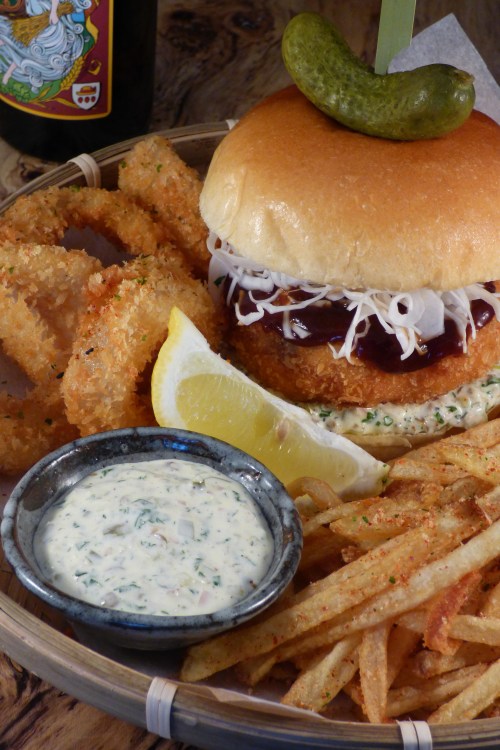
Food in Japan is divided into two distinct categories; Washoku, the native, traditional cuisine that dates back many hundreds if not thousands of years, and Yōshoku (or seiyōshoku), Western style dishes that started being imported into Japan’s culinary tapestry during the Meiji restoration.  Along with firm favourites such as karē, tonkatsu, and ramen, ebi furai- or breaded, fried prawns lie firmly within the yōshoku camp, probably owing their heritage to Portuguese traders who introduced crumb coated pork cutlets to Japan during the late 1880s.  Much later, an enterprising chef combined two of the most popular yōshoku, ebi furai and hambāgā to create an ebi katsu burger, chopped prawns shaped into a patty, breaded and then deep fried before being served in a soft buttery bun with the traditional furai accompaniments of tartare and tonkatsu sauces.   We’ve adapted this modern classic slightly by mixing our prawn meat with minced hanpen, a very airy fishcake made from pollock and nagaimo yam, which gives the burger a particularly light, bouncy, juicy texture without detracting from the sweet, delicate flavour of the prawn.

Onipote (a contraction of the words onion and potato) is a half portion of onion rings served with a half portion of fries, a dish we first came across in an Akihabara branch of MOSBurger, Japan’s largest fast food chain.  Why chose between both of these classic sides when you can have a little of each?  Rather than batter our onion rings we’ve opted for the same crunchy panko crumbs that we used on our ebi burger and then dredged both these and the super skinny fries with a sweet and spicy shichimi togarashi salt. Perfect!


ebi katsu burger
Ebi Katsu Burger- crisp breadcrumbs on the outside and juicy, sweet prawns on the inside.

Continue reading “Ebi Katsu Burger with Onipote”

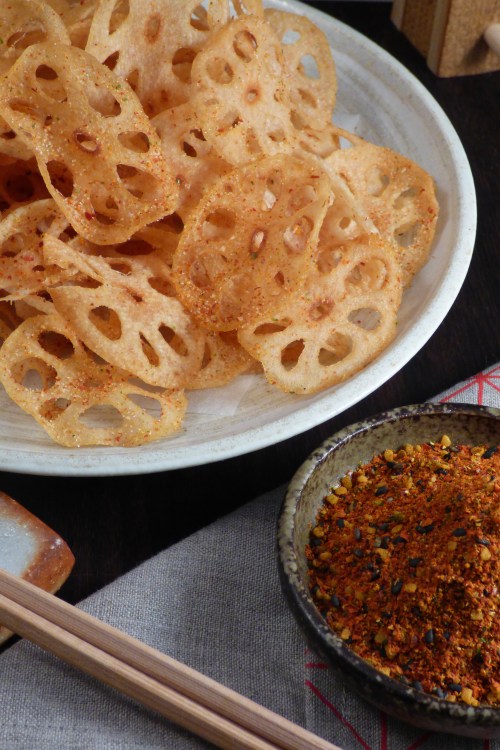
Renkon Chips with homemade Shichimi Togarashi

Dating back as far as the 1600s, shichimi togarashi is a vibrant condiment that started life as a medicine mixed by herb & spice dealers in Edo- old Tokyo- before becoming popular as a seasoning for food.  The combination of citrus, chilli and seaweed flavours make it a perfect accompaniment to slow cooked soups and fatty meats, or whenever you want to add a bit of freshness and heat to a dish.  There are many popular blends of shichimi togarashi (the name means ‘seven flavour chilli’ by the way) available on the market, but when made fresh at home it has a much brighter flavour, and of course you have the ability to tweak the recipe to your liking.

By mixing our shichimi with salt and sugar, we’ve made a delicious seasoning for an izakaya favourite- renkon chips.  With a flavour slightly sweeter than potato and a long history of being used medicinally, lotus root makes a perfect partner to the seasoning and when thinly sliced and fried as chips it makes a fantastic bar snack.

renkon chippu
Renkon chips dusted with our blend of spices, salt and sugar.

Continue reading “Renkon Chips with homemade Shichimi Togarashi”

Gyuu Tataki to Yuzukosho Modoki

Raw fish in the form of sashimi is quite often the first thing a foreigner thinks of when you mention Japanese food, but perhaps less well known is gyuu tataki, a lightly cooked piece of beef fillet that while seared on the outside remains completely raw in the centre.  We’ve paired our beef with a couple of citrussy accompaniments, firstly a home-made take on yuzukosho (we’ve used the word ‘modoki’ in the title, which means pseudo or mock) and then with a ponzu style dipping sauce made of lime juice and soy sauce.

Yuzukosho is a fantastically strong, fiery condiment used mainly with hotpot dishes and sashimi, made from fermented citrus fruit and green chilli peppers.  Yuzu- the traditional fruit used in the seasoning- is unfortunately for us very hard to come by in England, so we have combined a number of different fruits to craft a flavour reminiscent of the complex aroma the original has.  This zesty paste brings together sour, bitter, floral, salty and spicy flavours which all balance the beef’s natural earthiness and when used as an appetiser at the start of a meal really awakens your palate.

tataki
Seared beef with citrus and chilli yuzukosho.

Continue reading “Gyuu Tataki to Yuzukosho Modoki”

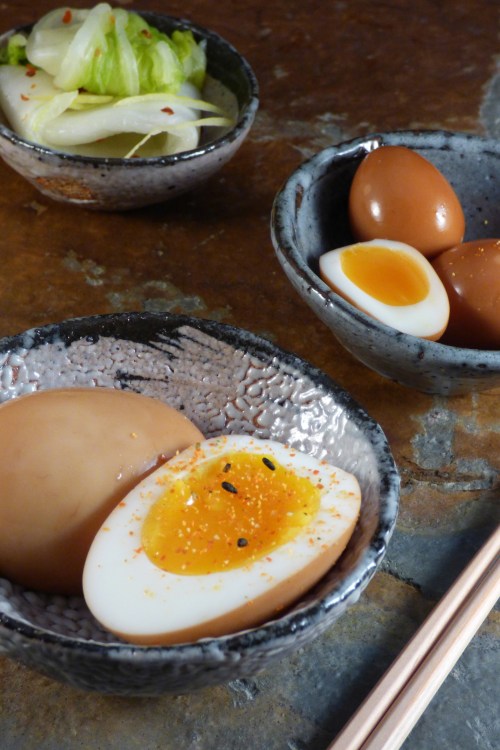
Shoyu tamago & Hakusai no shiozuke

Boiled eggs feature in many dishes like oden and ramen, and they make a great snack or addition to a bento.  Most often they are cooked until the yolks are solid, however we like ours to be barely set, especially with tiny quail eggs which you pop in your mouth whole and burst to release the rich gooey centre.  By lightly pickling them in a sweet and sour soy liquor you can add a level of complexity to their whites and stain them an attractive glossy brown colour too.  Shoyu tamago are a great replacement for use in any recipe which calls for boiled eggs, and their natural saltiness makes them a perfect accompaniment to drinks.

Hakusai no shiozuke is on the other end of the flavour spectrum, rather than being rich and gooey like the shoyu tamago it is crisp, spicy and fresh with lemon zest.  Chinese cabbage is pressed and pickled for a short amount of time to provide a punchy accompaniment to meals and a perfect counterpoint to rich or fatty meats.  This traditional recipe is a delicious introduction to salted pickles for those who’re a little wary of the tsukemono plate that comes with most Japanese meals.

soy eggs
Pickles are great for adding interest to a meal

Continue reading “Shoyu tamago & Hakusai no shiozuke”