At the foundation of nearly all Japanese food is a handful of key flavours and ingredients; salty fermented soy products such as miso and soy sauce; sweet mirin and aromatic sake rice wines; and the underlying essence of the sea- a delicate, smoky, ocean scented stock called dashi. At its most basic and purest form, dashi is simply dried kombu seaweed, rehydrated and steeped in water until it releases all of its delicious, rich minerals creating a savoury broth to boost the taste of any dish. More complicated versions of the liquor add sawdust-like smoked bonito flakes, small dried fish such as sardines or anchovies and maybe even a handful of woody, earthy tasting shiitake mushrooms to supercharge the umami qualities of this liquid flavour bomb.
Umami- the fifth taste after sweet, salty, bitter and sour- is a loan word from Japanese, literally meaning ‘delicious flavour’ and it describes the brothy, savoury, meaty taste identified when the tongue’s receptors react to the presence of glutamic acid in food. Dried kombu is particularly rich in glutamic acid (so much so that you can even see crystals of it on the seaweed’s surface, looking like a white powdery bloom) and the savoury aspects become even stronger when combined with bonito flakes thanks to the synergistic relationship between glutamates and the inosinates present in nearly all dried seafood. Only explained by science in the early twentieth century, the cooks of Japan have known about the mouth watering qualities of combining these flavours together for centuries, using dashi in everything from pancake batters to soups and stews.
Nowadays there are plenty of very good instant dashi powders and granules easily available in supermarkets- we use them regularly when we don’t want the dashi itself to be an overly prominent flavour in the finished dish- but nothing really compares to making your own, adjusting the seasoning to your liking, adding more or less of one ingredient or another, or perhaps even adding a completely new ingredient (the addition of smoked bacon or air dried ham creates an unconventional but intoxicatingly heady dashi that goes brilliantly with darker, red miso soups). We’re certain that after you’ve tried making your own dashi, you’ll want to always keep a packet of kombu and katsuobushi handy in your store cupboard at all times.
PS. Whatever you do, don’t throw away the used flavourings after you’ve strained your broth, make them into a delicious seasoning for your rice by following our recipe for homemade furikake or cook them up again to make niban dashi.

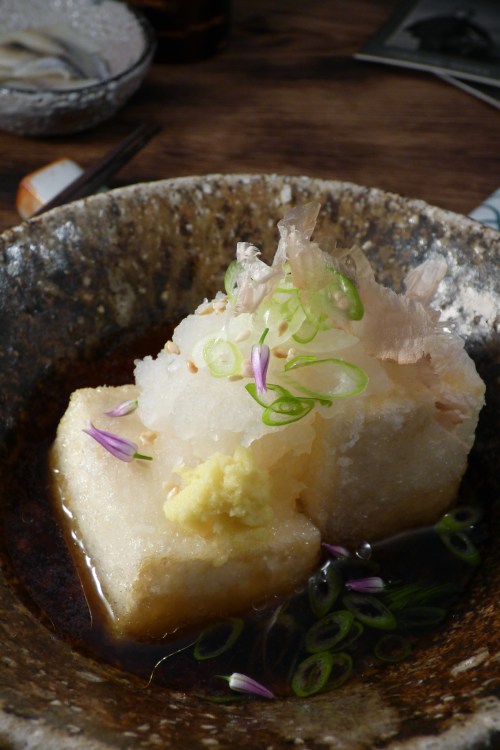

 kakuni