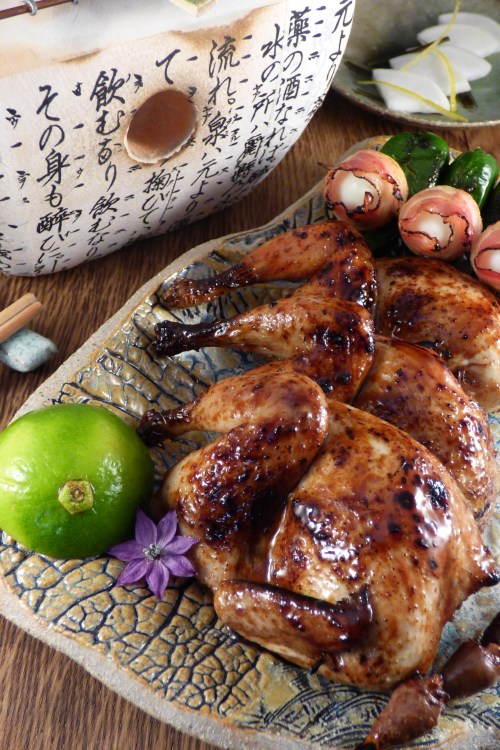
Grasslands and wooded areas surrounded the old capital of Kyoto for centuries, making the perfect hunting grounds for feeding the wealthy citizens; birds of all sorts from the large colourful pheasants and statuesque pigeons down to small songbirds were trapped by the locals before being taken to market or grilled as yakitori. These days the term yakitori is normally used in relation to chicken, but the word literally means ‘grilled bird’, so it’s no surprise that different regions have their specialities featuring other fowl. To the restaurants around the sacred town of Fushimi, yakitori is all about two birds, sparrows eaten whole including their bones and crunchy beaks, and the meatier and more westerner-friendly quails. After a visit to the most well-known Inari shrine complex in the country- the Fushimi Inari Taisha- it’s almost impossible to leave the area without smelling the charcoal smoke and appetizing aroma of scorched meat wafting from the restaurants selling yakitori quail.
Eating yakitori like this is a primal meal, huddled around a dimly lit restaurant, breathing in the smoke and tearing into the grilled meat. A slightly sweet soy glaze enhanced with the essence of all the birds cooked before yours clings lightly to your lips as you devour the perfectly cooked bird, feeling more like the fox totem of Inari happily munching on a little bird in a shaded grove, than the person you were when you sat down at the bench table. To drink with the delicate flesh of the quails? Beer obviously, but what else to eat? Chicken wouldn’t be appreciated next to the delicate birds, tsukune would feel almost too processed, only one other yakitori favourite would sit harmoniously with the quails and that’s Uzura no tamago, bacon wrapped quail eggs. The ultimate pairing of parent and child found in many Japanese dishes such as oyakodon, the creamy eggs and salty charred pancetta add delicious little bursts of richness between mouthfuls of meat, a squeeze of sharp kabosu juice and a peppery sprinkle of ground sanshō balances all the elements to perfection.

 kakuni