Inarizushi

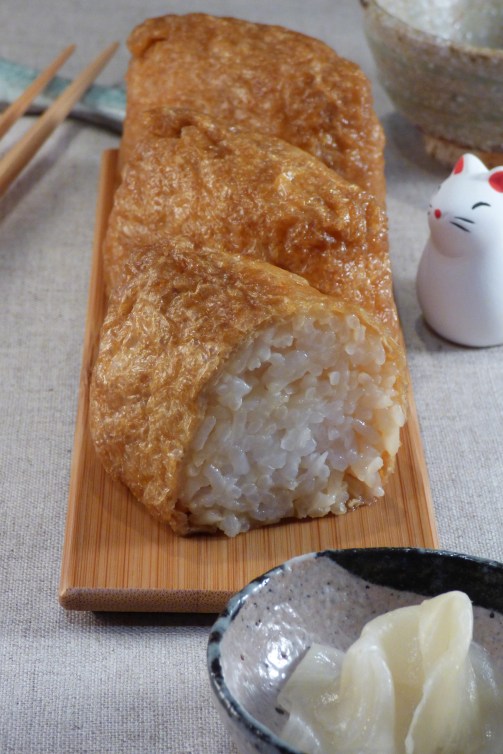
Perhaps the most popular deity in Shinto belief, Inari is the kami of fertility, prosperity, agriculture and foxes.  One of the favoured foods of Inari is abura-age or fried tofu, so these sweet pouches of fried tofu stuffed with rice have become a preferred offering at his shrines and a delicious snack for their patrons.  The largest shrine dedicated to Inari is in Fushimi, Kyoto, famous for its thousands of vermilion torii, and on the roads leading up to the shrine’s entrance you’ll find stalls selling these treats.  You can often find these in sushi restaurants, bento meals or convenience stores, but because of the foxes and their love for them they’ll always remind us of the hour and a half walk up Inari mountain and the peaceful glades found along the way.
inarizushi
Inarizushi, a favourite food of Japanese foxes, perhaps because the top corners of the pouches resemble their ears.

Continue reading “Inarizushi”

Shiro-an Taiyaki

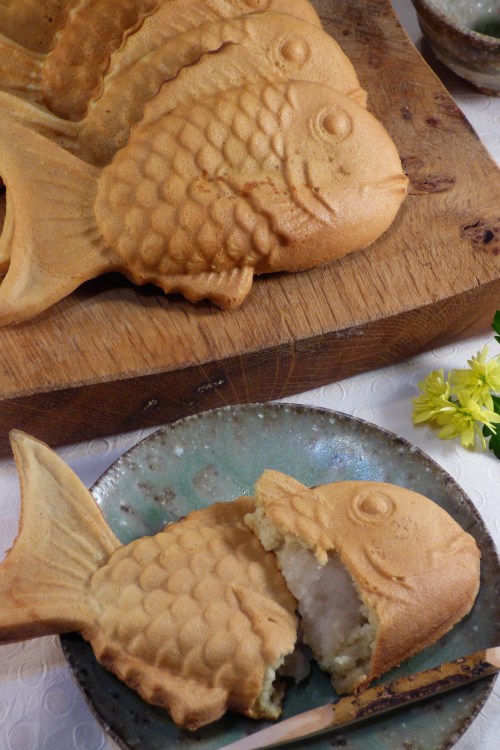
Of all of the varieties of pancake available in Japan, the fish-shaped taiyaki sold by street vendors are the ones we’re always drawn to.  A sweet, tender waffley outer shell, hiding its scalding hot filling of red bean paste or on rare occasions custard or white beans.  Historically they came about as a seasonal variation of imagawayaki during the Meiji era, changing the squat cylindrical mould into one shaped like a sea-bream, a fish that only the wealthy could afford and that was generally reserved for festivals.  The anko (red bean) filling is slightly off-putting to many westerners, so we’ve opted for the milder, smoother shiro-an (white bean) filling which has a soft marzipan texture to it and a slightly nutty taste.

To make taiyaki you’ll need a cast-iron taiyaki pan, if you don’t have one then you can use the same recipe to make shiro-an dorayaki- just fry the batter as small round pancakes and sandwich the filling between them.

taiyaki
Taiyaki, sea-bream shaped pancakes filled with sweetened white bean paste.

Continue reading “Shiro-an Taiyaki”

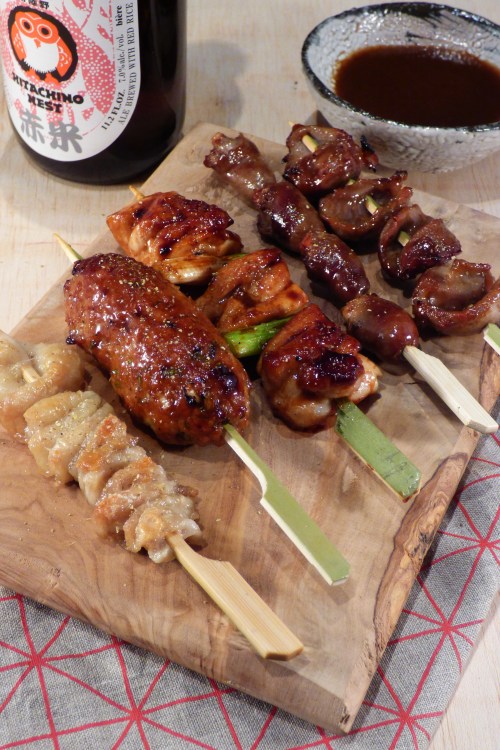
Yakitori assortment

Perhaps Japan’s most ubiquitous bar food, or at least the one most well known outside of Japan, yakitori is a firm favourite with us.  Visiting a traditional yakitoriya is a daunting experience, normally lacking in menus, the bill of fare is hung from banners near the ceiling written in kanji completely indecipherable to most westerners, but they offer a fantastic insight into how the locals wind down after work.  Charcoal grilled chicken, offal and skin, served on sticks, glossed over quickly with a brush dipped in an almost magical concoction of drippings and soy sauce, the perfect accompaniment to a beer, or two.

yakitori
Yakitori, L to R: Skin, tsukune, thigh with spring onions, hearts, gizzards.

Continue reading “Yakitori assortment”

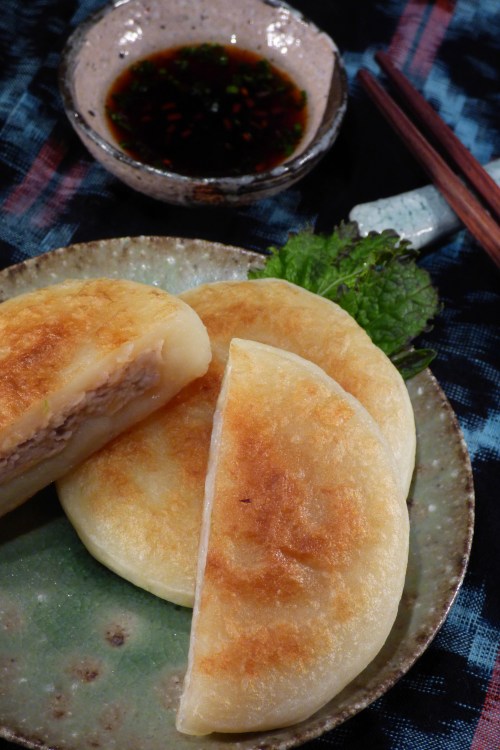
Jagaimo Oyaki

Oyaki are delicious little fried filled parcels, usually with a buckwheat outer shell but can be made with pretty much anything that you can form into a dough, in this case leftover mashed potato.  The filling of these oyaki is an attempt to recreate the flavours of some that we bought from a street vendor outside the Hachiman shrine in Tomioka, Tokyo- a mixture of chopped pork and prawns, similar to what you’d find inside everyone’s favourite little dumplings, gyoza.

oyaki
Jagaimo Oyaki, fried parcels of joy.

Continue reading “Jagaimo Oyaki”